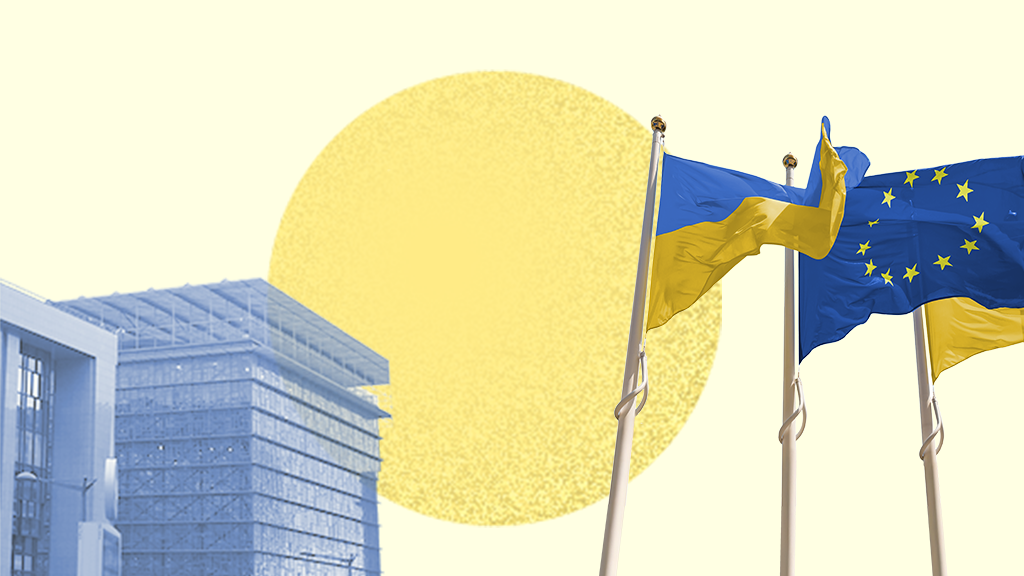
Solidarity measures to support Ukraine and sanctions against Russia
Highlights

- 23 July 2026
Consilium traineeships: apply now!
Consilium traineeships: apply now!
Our traineeship programme offers young professionals the opportunity to gain insights into the work of the Council. Apply until 15 September for a unique 5-month work experience at the heart of EU-decision-making!

- 17 July 2026
New sanctions over Russia's deadly strikes on Kyiv
New sanctions over Russia's deadly strikes on Kyiv

- 16 July 2026
EU reaffirms support for the ICC and international justice
EU reaffirms support for the ICC and international justice
- 16 July 2026
Syria: EU stands ready to engage with the People's Assembly
Syria: EU stands ready to engage with the People's Assembly
In focus

EU financial assistance to Ukraine
EU financial assistance to Ukraine

Horizon Europe
Horizon Europe

Consumer protection: call, text and surf
Consumer protection: call, text and surf
Explore popular topics
Competitive and autonomous industries, reducing dependencies
Trade relations with partners worldwide
Candidate countries and the process of joining the EU
Responding to conflicts and crises, protecting citizens
Free movement of goods, services, capital and people in the EU
Securing a sustainable and affordable energy supply
EU relations with the countries of the Middle East and North Africa
Net-zero economy and fighting against climate change
The Council presidency
The member states take it in turn to chair Council meetings for six months. Ireland currently holds the Council presidency and will do so until 31 December 2026.

About the Council
The Council refers to two different EU institutions: the European Council, and the Council of the EU. They have very different roles and membership, although they have similar names and share the same staff.
The European Council
The European Council consists of the heads of state or government of the EU's member states, together with its President and the European Commission President. It defines the EU's general political directions and priorities.
The Council of the EU
The Council of the EU represents the member states' governments. Informally also known as the EU Council, it is where national ministers from each EU country meet to adopt laws and coordinate policies.