Explainers
Refine results
- 447 results
Financing the climate transition
The EU is committed to achieving a low-carbon, resource-efficient, and sustainable economy. Together with its member states, the EU is the biggest provider of climate finance in the world.

How the EU protects intellectual property rights
The EU has developed strong laws to protect patents, industrial designs, copyrights as well as local agricultural, industrial and craft products.

Europe's contribution to climate finance (in €bn)
How does the EU contribute to fighting climate change globally? The EU and its countries are the biggest providers of climate finance in the world.

Water
Water is a limited resource. EU legislation protects water resources and ecosystems, and makes sure that drinking and bathing water is clean.

Regulating political advertising
Political advertising plays a key role in democratic societies. EU rules help ensure there is greater transparency, accountability and respect for citizens’ rights.

Disability in the EU: facts and figures
107 million Europeans have some form of disability. Find out more facts and figures on living with disabilities in the EU.

Toy safety
EU rules ensure toys placed on the EU market are among the safest ones in the world.

Response to the migration crisis and force majeure situations
In crisis situations and exceptional circumstances, member states are authorised to derogate from certain rules and request solidarity and support measures. These are outlined in new rules.

Economic governance framework
Economic governance is a key pillar of the economic and monetary union. It aims to detect and correct economic imbalances that could weaken national economies or affect other EU countries through cross-border spillovers.

How the entry/exit system works
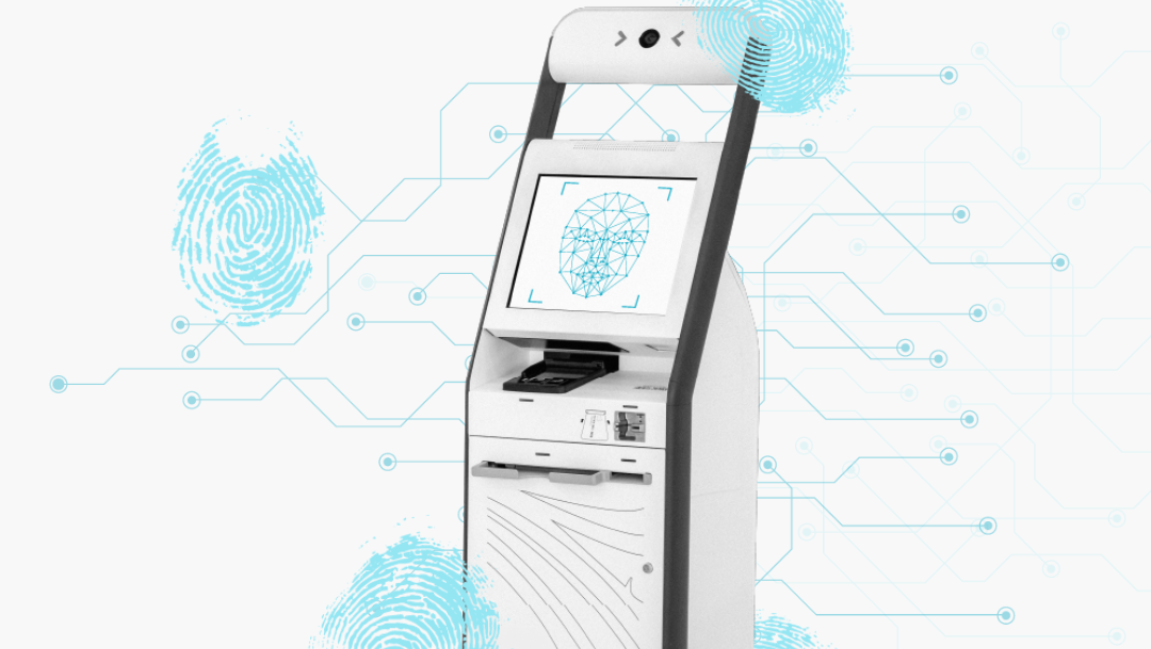
The Entry/Exit System (EES), which became operational on 10 April 2026 and was launched on 12 October 2025, automates border registration for non-EU nationals, simplifies controls, and enhances security.